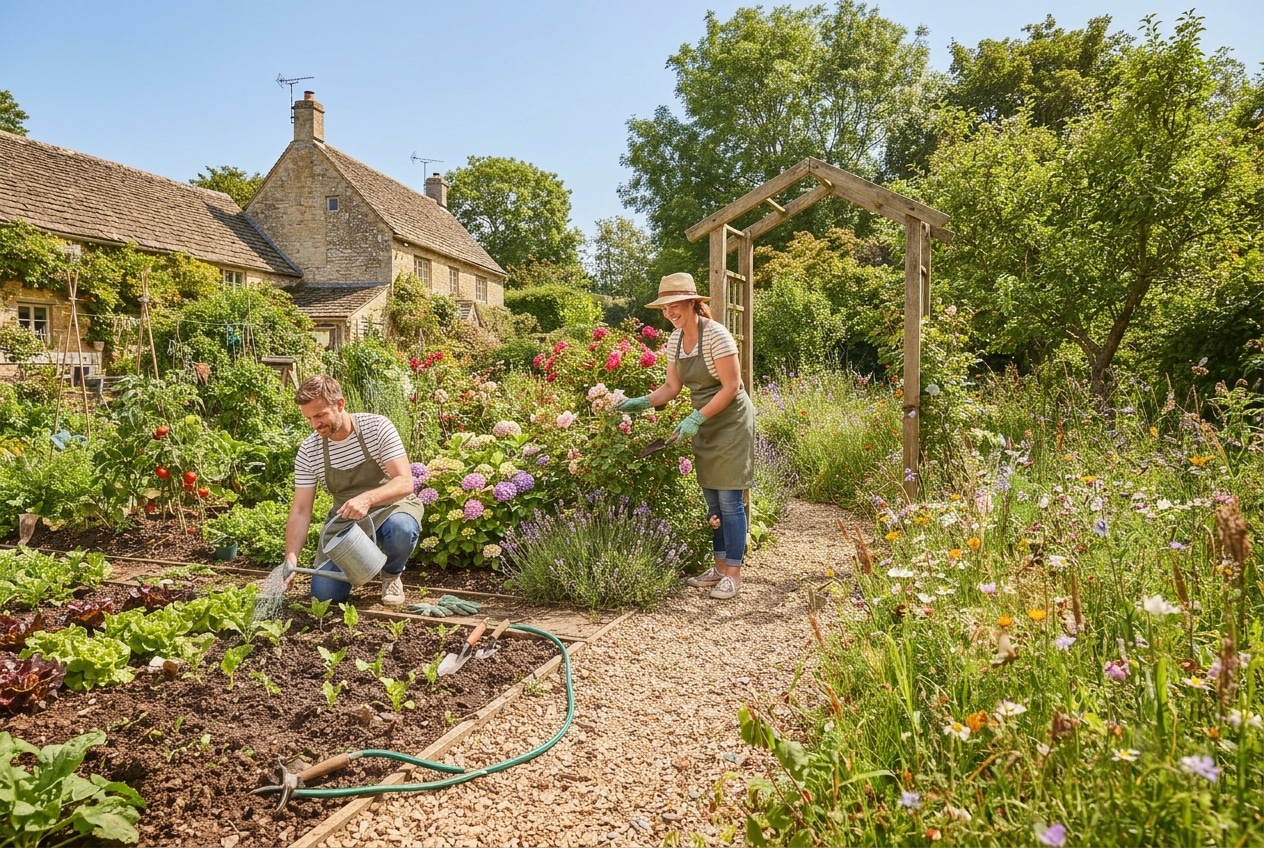
As keen gardeners know, a garden needs different kinds of attention at different times. Thirsty plants need regular watering, hedges need occasional trimming, but established trees can be left to grow.
Treat everything the same way, and you can create problems. Neglect the vegetable patch, and you may lose the crop. Keep digging up a newly planted tree to check its roots, and you will interrupt the growth you hoped to encourage. Ignore flowerbeds and the weeds take over.
Treat Your Money As You Do Your Garden
Looking after your money requires similar judgement. Some areas benefit from regular attention, others need periodic tidying, and some work best when you give them time.
The Weeding
Your current account is rather like the parts of the garden that need regular attention; it is where you notice something out of place before it becomes a bigger problem. Check it regularly for unfamiliar transactions and unexpected charges, and make sure you have enough money to cover upcoming bills. You don’t need to review every purchase repeatedly, but you should have a reasonable sense of what is coming in and going out.
Also look for money accumulating without a purpose. You need a comfortable balance for everyday spending, but a large surplus earning little interest may be better held in an accessible savings account that pays higher interest. Think of it as moving a plant to a better spot. The money remains available, but its surroundings may help it work a little harder.
The Pruning
Your spending needs both regular attention and occasional pruning. Direct debits, standing orders and recurring card payments can spread quietly through your finances. Individually, they may look insignificant. Collectively, they can occupy more space than you intended.
A subscription you no longer use, a membership you keep meaning to make use of, a service that was useful once, but no longer fits your life. Periodically, look through these payments and ask whether each still deserves its place. Do you use it? Does it give you pleasure or serve a practical purpose? Would you choose to buy it today? A £25 monthly subscription costs £300 a year. Removing several unused payments can free up a meaningful amount without affecting anything you value. Remember, though, if you cancel a service, follow the provider’s cancellation process; stopping the payment alone does not necessarily end your contractual obligations.
Pruning should make room for what you want to flourish. A gardening club, gym or golf membership might contribute far more to your wellbeing than its cost suggests. Keep the spending that supports your health, relationships and enjoyment. Clear away what continues through habit but provides no value or serves no purpose.
Separating & Re-Planting
Savings need periodic attention too, to both their size and their surroundings. Your accessible cash reserve is rather like the water you keep available for a dry spell; you want enough to deal with difficulties but too much is unnecessary. Consider what would happen if your boiler failed, your car needed replacing or your earnings stopped. Separate that emergency reserve in your thinking from money already earmarked for holidays or home improvements.
As retirement approaches, consider how your cash needs will change. The right amount depends on your regular income, spending commitments and plans for drawing from pensions and investments. Having more in cash, spread between different terms, provides a buffer during leaner times when invested assets have fallen in value. But, again, too much in savings leaves them exposed to the effects of inflation which will see them wither on the vine.
Then check the interest rate. An account that was competitive when you opened it may have become less attractive. Introductory bonuses expire, and fixed rate accounts mature. Reviewing savings accounts at least annually is good practice. A diary reminder can help you give them attention when it matters and avoids money struggling to grow. Check access conditions too; emergency money needs to be available when you need it, even if another account offers a slightly higher rate.
Invasive Climbers
Outstanding debts can resemble vigorous plants that are unsightly and slowly but surely overtake your garden. The monthly payment may seem manageable, while interest keeps consuming money that could support other priorities. List each balance, its interest rate and any date when the terms change. Expensive borrowing often deserves attention before adding to savings. However, keep an appropriate emergency reserve and check repayment penalties. If essential bills are overdue, the consequences of non-payment also help determine which debts need dealing with first.
The aim is to understand which commitments are manageable and which are restricting what you can do elsewhere. Start by tackling the debts with the highest rate of interest that are doing most of the damage. Or, if a quick win gives you a sense of control and achievement, the lowest debt that can be quickly removed and sets you on the right path.
Winter Preparations
Financial protection is akin to getting your garden ready for winter; it’s taking steps now to guard against the storms and heavy frost that life can throw at us.
What would happen financially if you became seriously ill, lost your job or died? What income would continue? How long would savings last? Could your partner manage the household costs? These are the risks you guard against now while the weather is mild.
Review employer benefits alongside personal insurance. Income protection replaces earnings when illness or injury prevents you working. term assurance provides a lump sum in the event of death or the diagnosis of a critical illness. Money that will be invaluable when earnings are forced to stop.
Check what your policies cover, how much they would pay and when they end. Retirement, a repaid mortgage or changing family responsibilities can alter what protection you need. Perhaps you had insurance to cover risks that no longer apply, but you are still paying for it. However, a policy that has never paid out but is still necessary may still be doing exactly the job you bought it for. You would not remove a greenhouse simply because the last winter was mild.
Some Plants Don’t Like Pruning
Investments and pensions are the established trees and slower growing plants. They need suitable conditions at the outset, including the right soil (a globally diverse portfolio of assets taking an appropriate level of risk for your circumstances) and not too much water or fertiliser (manageable costs). Once those foundations are in place, time becomes part of the process.
You don’t tend to these plants every time the weather changes. Similarly, continual tweaks to your pension and investments don’t help. Reacting to headlines or switching into whatever recently performed ‘best’ can undermine a considered plan. A longer timeframe gives investments more opportunity to ride out market falls.
That’s not to say it’s not appropriate to check on them every now and then; forgetting about them for a long-time may leave you finding they needed a bit of attention, but didn’t get it. Old pensions can have higher charges or limited investment choices, all of which limit their growth potential. Leave them time to develop between purposeful reviews. Check whether your investment approach still suits your circumstances. If you draw retirement income, review withdrawals and future spending needs too.
A good gardener knows when intervention helps and when patience is more useful. Apply the same care to your money: watch everyday cash flow, periodically prune unnecessary spending, maintain your reserves and protection, and give suitable investments time. The purpose is to create the conditions for a life you can enjoy, without spending every day inspecting the garden.